

Prediction Markets Surge 393-Fold as SOFTSWISS Flags Key 2026 iGaming Trend
SOFTSWISS says trading platforms built around real-world event outcomes have expanded dramatically, positioning prediction markets as one of the defining forces shaping the iGaming sector in 2026.
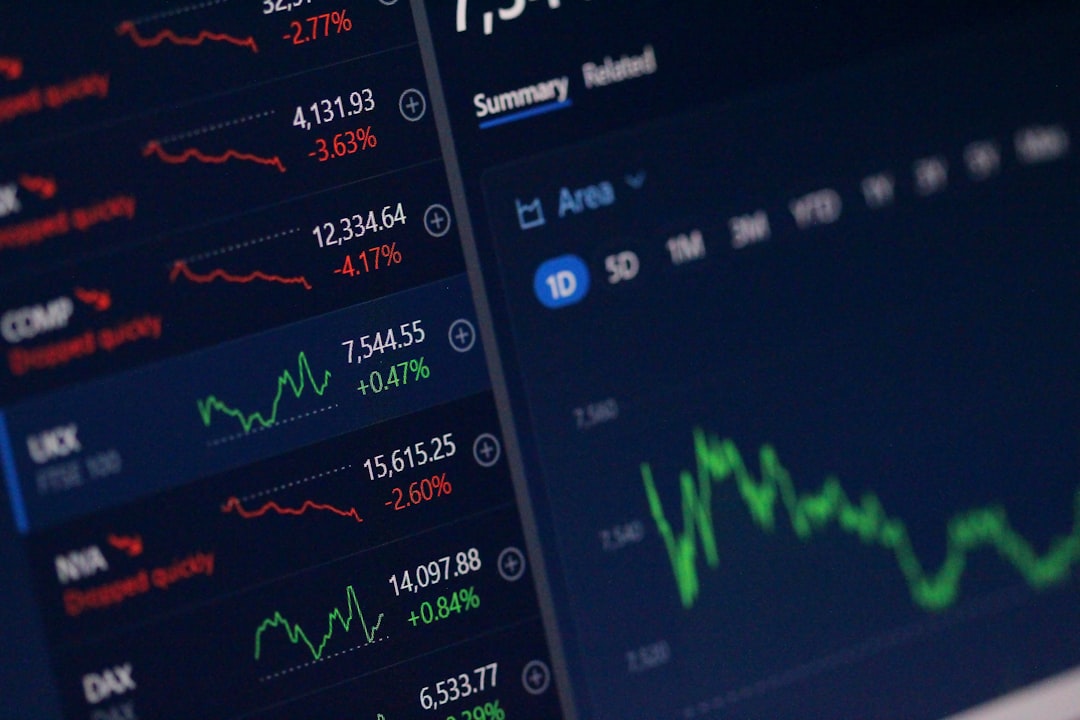
Prediction markets, which allow users to trade on the outcome of real-world events, have recorded explosive growth within the gambling and betting industry, according to SOFTSWISS.
The company reported that trading volumes on prediction markets rose by roughly 393 times between January 2024 and January 2026, a scale of expansion that underlines how quickly this category has moved from a niche offering to a mainstream feature of the wider betting landscape.
A defining trend for 2026
SOFTSWISS said analysts now count prediction markets among the defining trends set to shape iGaming in 2026, placing them alongside the continued rise of artificial intelligence and increasing gambling taxation as the three forces most likely to influence how operators and platforms develop over the coming year.
Unlike traditional sports betting or casino products, prediction markets let participants take positions on the likelihood of specific events occurring, spanning areas well beyond sport into politics, economics and other real-world outcomes. This structure has proven attractive to a broader audience than conventional betting formats, contributing to the scale of growth identified by SOFTSWISS.
Growth alongside wider industry pressures
The rapid rise of prediction markets comes as the broader iGaming sector faces mounting regulatory and fiscal pressure, with rising gambling taxes cited by SOFTSWISS as another major theme for 2026. Operators are increasingly having to weigh new revenue opportunities, such as those presented by prediction markets, against a tightening tax and compliance environment in many jurisdictions.
At the same time, the growing role of artificial intelligence across personalisation, risk management and product development is expected to intersect with the expansion of prediction markets, as operators look to apply AI-driven tools to newer trading-style formats in the same way they have done with established casino and sportsbook products.
SOFTSWISS did not provide a detailed breakdown of the regions or platforms driving the 393-fold increase, but the scale of the reported growth suggests that prediction markets are moving rapidly from an experimental offering toward a core component of the industry’s product mix.
As 2026 progresses, the interplay between prediction markets, AI adoption and tax changes is likely to remain a central focus for operators seeking to adapt their strategies to a shifting regulatory and consumer landscape, SOFTSWISS suggested.